Degree Marks That Survive a Second Look
How clinic participants keep minor and intermediate labels from drifting when a new bar prints.
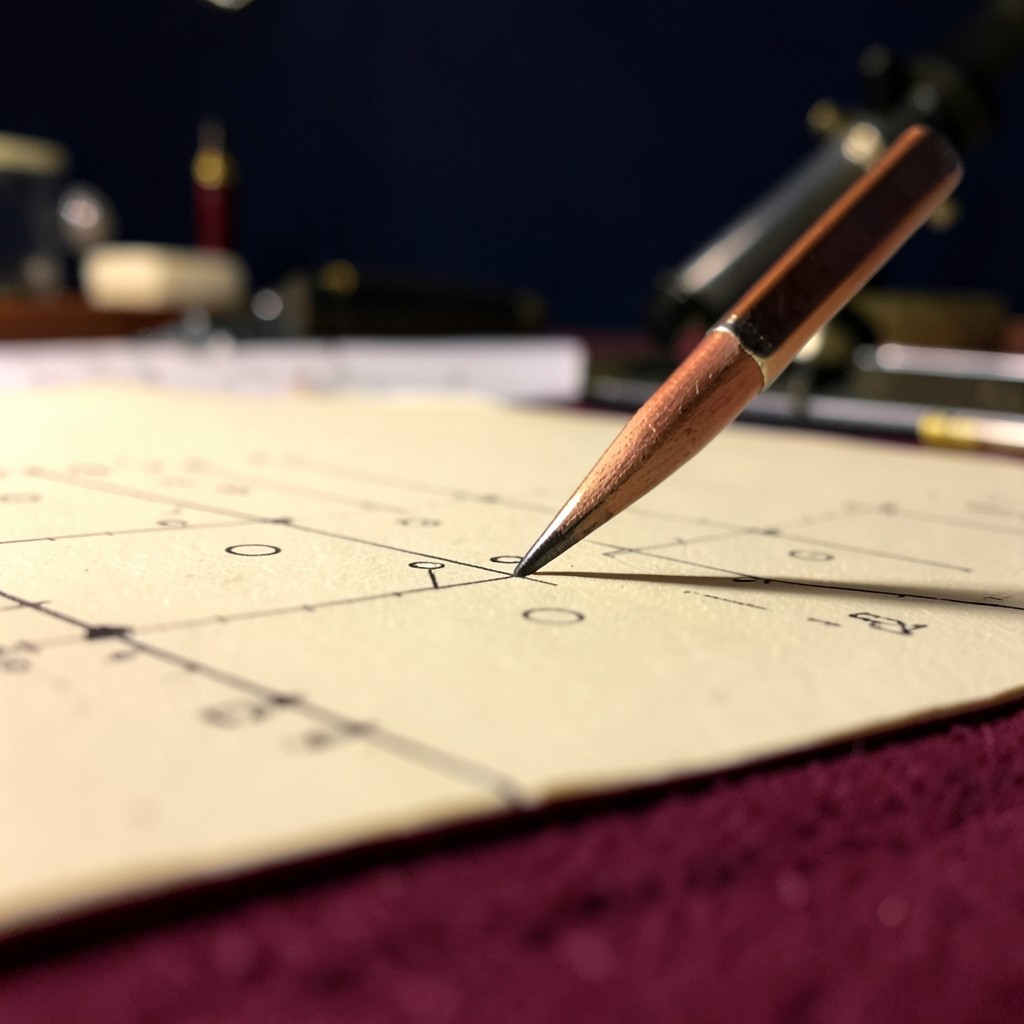
Most disputed counts in our Hung Hom clinics start with a degree problem, not a pattern problem. A wave that looked intermediate on Monday becomes minor by Thursday once a larger channel asserts itself.
We ask participants to write the degree beside every label before debating the pattern name. If the degree cannot be spoken aloud in one breath — minor third of an intermediate third, for example — the chart is usually overmarked.
A practical habit: leave a thin copper-colored pencil line for the working degree and ink only after the session. Ink locks ego into the page. Pencil invites revision when the next swing clarifies structure.
In the Annotation Clinic we run a ten-minute silence after each pack. Nobody may change labels during that silence; they may only circle doubts. The circles become the agenda for the instructor round.
Bring that same pause to your desk. Mark, wait, then decide. Elliott wave annotation rewards patience more than cleverness.